
In this week’s article, we are going to take a look at the (literal) meat and (figurative) potatoes of the Cryo Fields biome - the creatures that inhabit the area. The local fauna has adapted to the cold in various ways, often increasing its overall resistance to external threats in general. This, of course, means that Ashley and Mr. Riggs are going to have their hands full trying to defend their Cryo Fields outposts from hordes of attackers. Let’s take a look at the creatures that you will face in battle in the free World Expansion IV update.
The images will slowly cycle between the regular, Alpha, and Ultra strains of these creatures. This will allow you to take a good look at your new best friends.
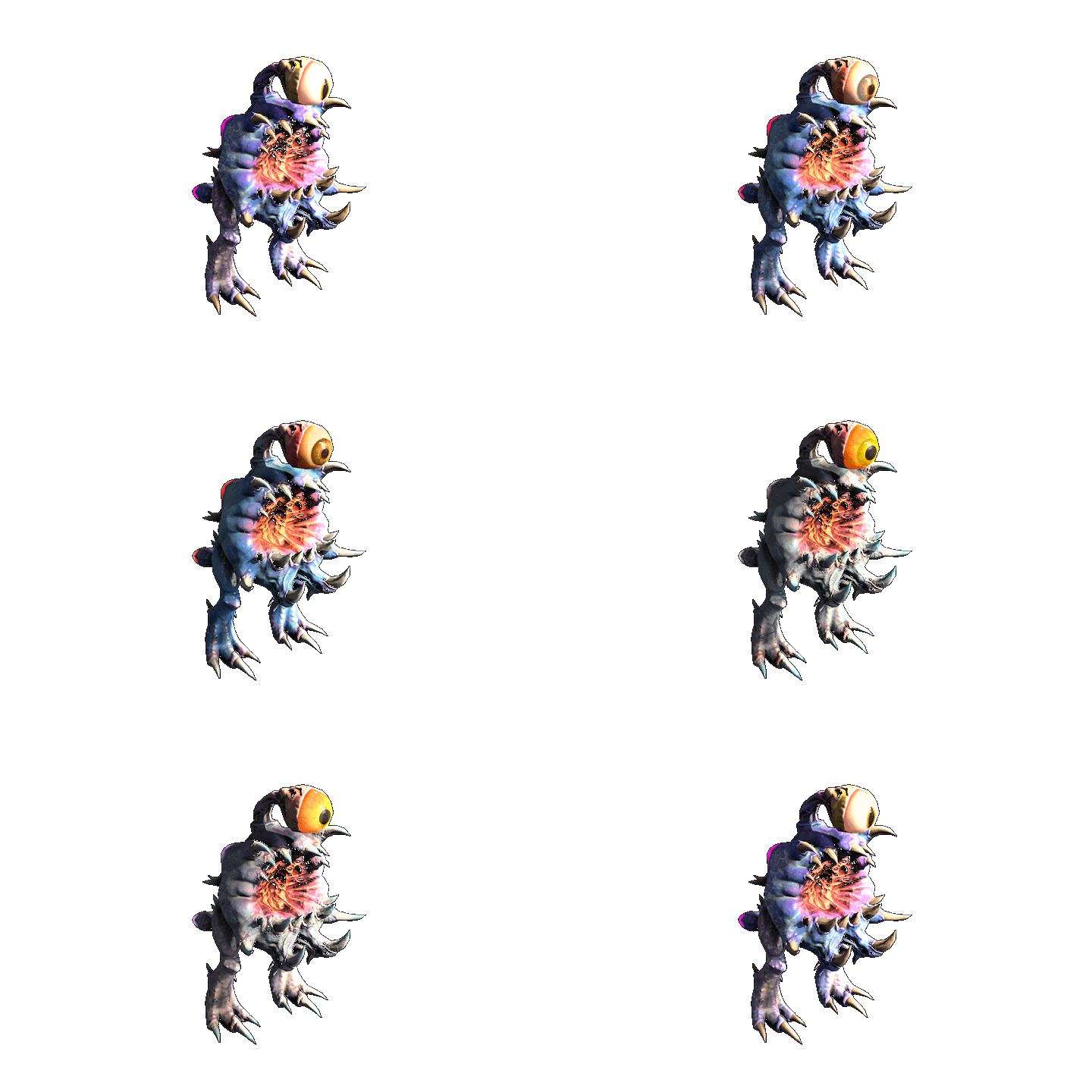
A small. but deadly short-range attacker. Colgans always travel in packs, using the numbers advantage to hunt much larger creatures. They swarm their prey like piranhas, accepting the fact that many Colgans will not survive the attack. If just a couple of individuals survive the ambush, then the task has been accomplished. Colgan's reproduction rate is very high, and you will discover numerous nests housing endless seas of eggs ready to hatch. Fighting them head-on is not a good idea - keep your distance and pray that you have enough firepower to stop them before they reach you.
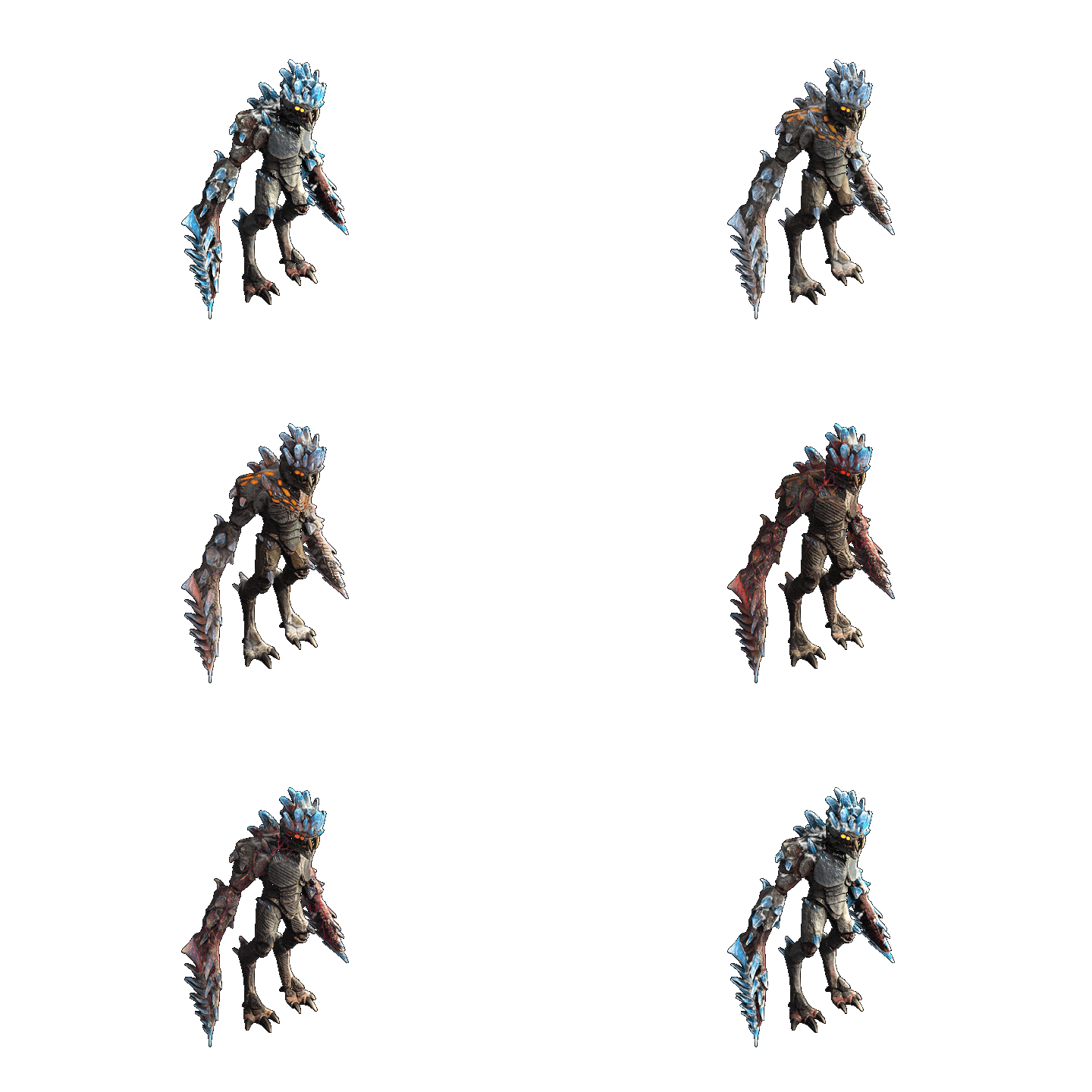
Frigmons are the primordial ancestors of the Kermon species encountered in warmer parts of Galatea 37. Unlike Kermons, these creatures cannot blend into their environment. However, Frigmons make up for that by cooperating with each other. When hunting other creatures, Frigmons will attack in large packs and will come knocking at your doorstep during attack waves, quickly shredding your defenses with their razor-sharp blades on their arms.
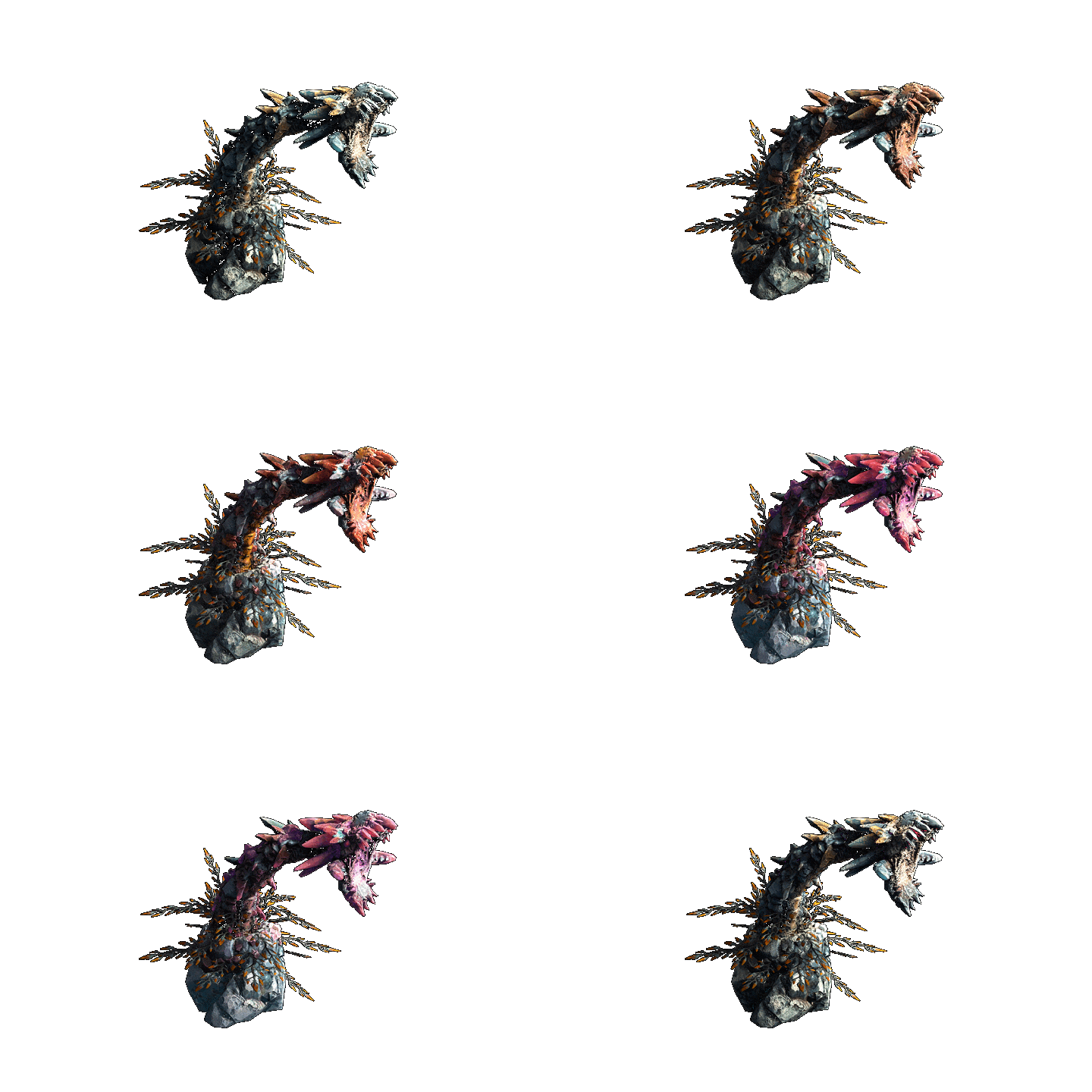
We weren’t sure whether to include this species in the fauna section, but since Frostiroth will actively try to kill you on sight, we think it is the right place. We typically do not associate icy deserts with abundant plant life, but this species has found a way to withstand those conditions. This extremely resilient plant species can burrow even into the permafrost layer, thanks to the exothermal enzymes produced by its flower structure. The root structure usually spreads very far, giving it the chance to sprout several flowers. If you see one Frostiroth, you can almost be sure there are more burrowed nearby.
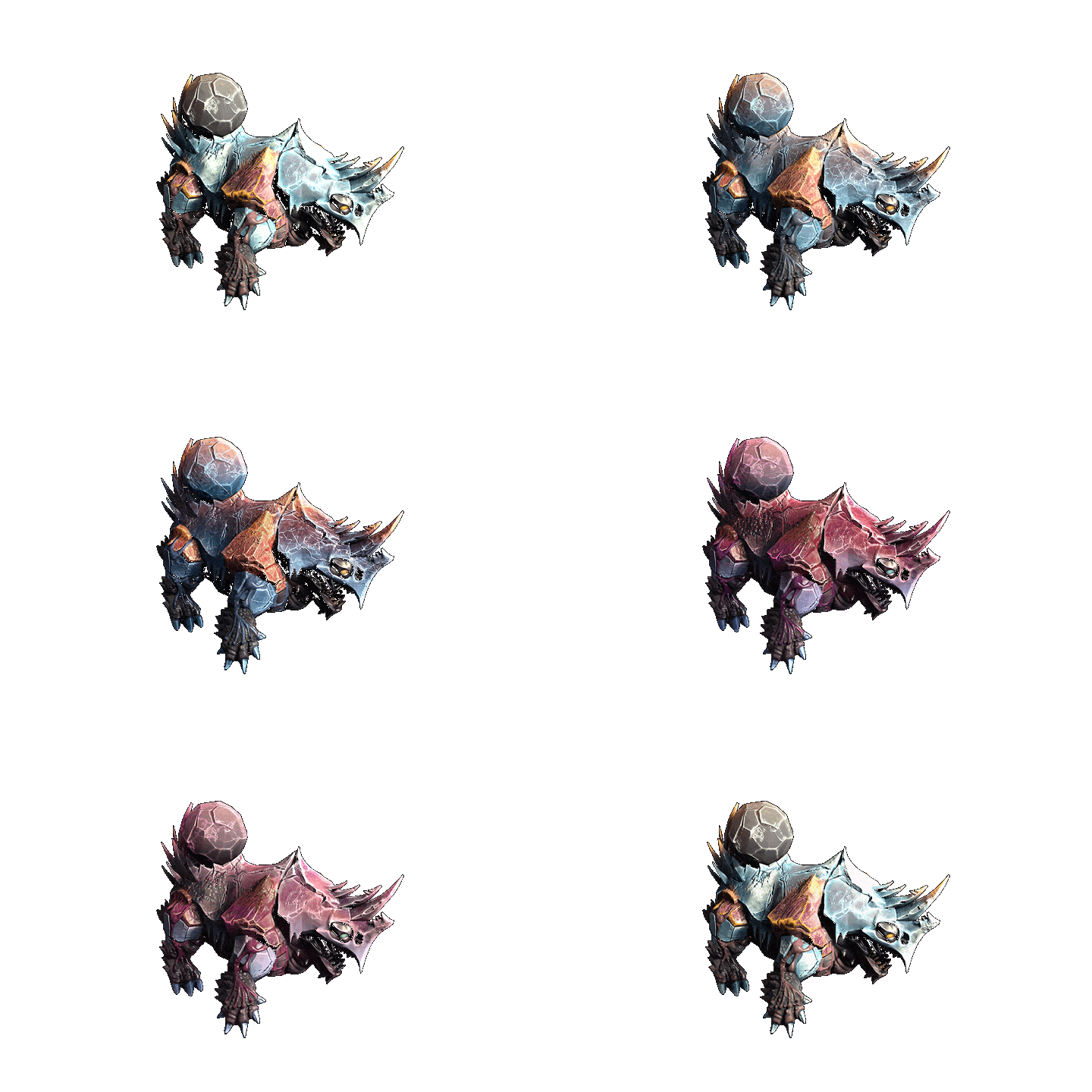
Don’t let the first impression fool you - Galatean creatures haven’t suddenly invented metallurgy. Glaciogan’s body is covered with keratinized plates of skin tissue, forming a natural suit of armor and protecting the creature from physical threats. Glaciogans also store thick layers of fatty tissue beneath these “armor plates”. Their function is twofold. First, fat protects against cold and stores energy during periods of famine. Second, the fat acts as a suspension medium for their keratinized shells, providing greater resilience against physical attacks. Glaciogans are slow, but attack from afar, which might be a death sentence for an unsuspecting Riftbreaker.
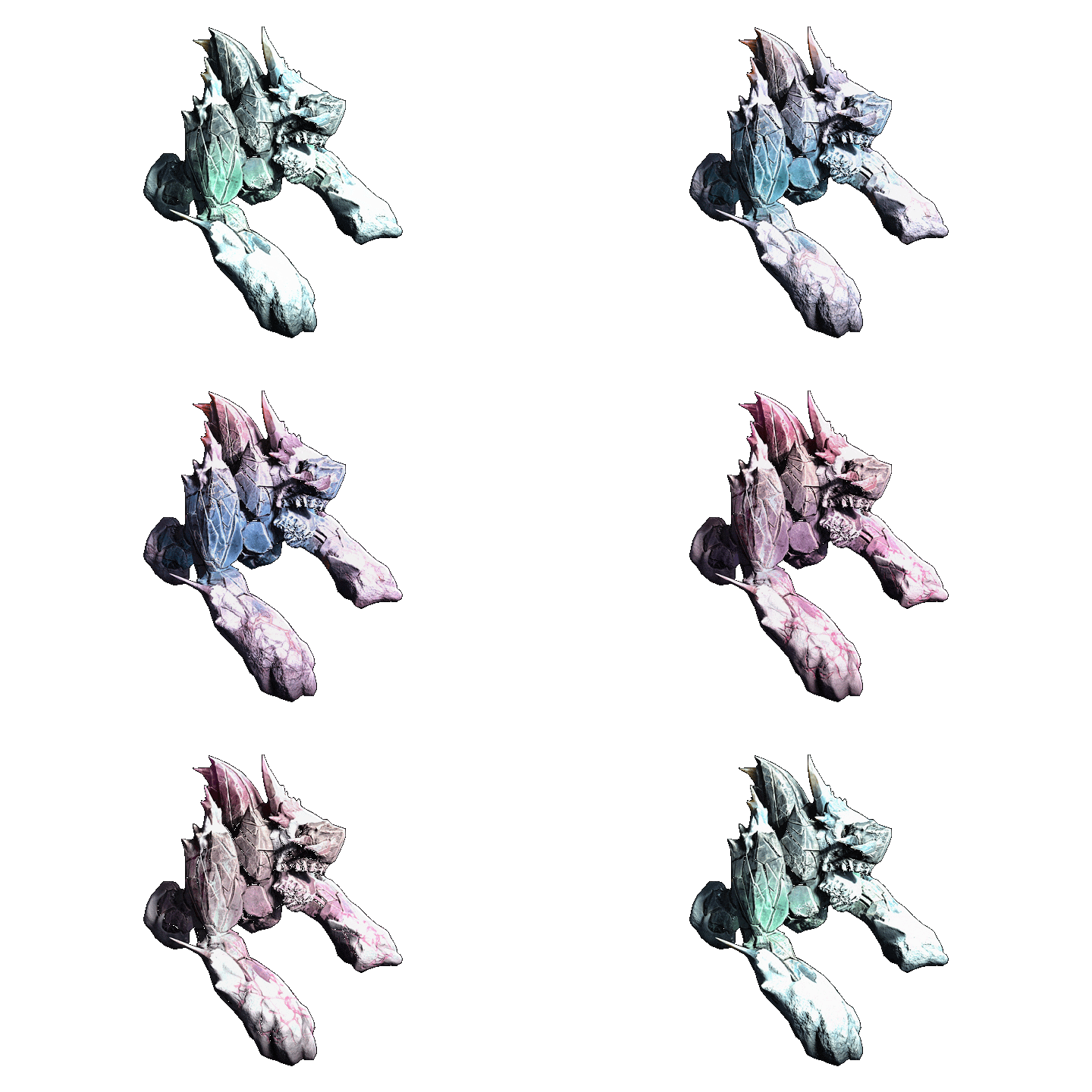
If the Glaciogan species did everything in their power to protect themselves against the harsh climate of the Cryo Fields, the Hibernus species did the exact opposite. They simply allowed nature to run its course. A thick layer of ice formed over their bodies - but it did not cause any adverse effects. On the contrary, ice forms a natural layer of insulation against external conditions, both in terms of air temperature and attacks from other creatures. However, when you melt that ice away, Hibernus falls like a house of cards. Use that to your advantage.

The Iceros is, on average, one of the largest creatures encountered on Galatea. Long tusks adorn its head, giving the creature an additional tool for survival in its cold natural habitat. Very often, these creatures will form the bulk of the attack waves in the Cryo Fields biome. They are very tough and quick, and their attacks can damage multiple structures at once. However, they are not without their weaknesses. Find out what they are, and be prepared to stop them.
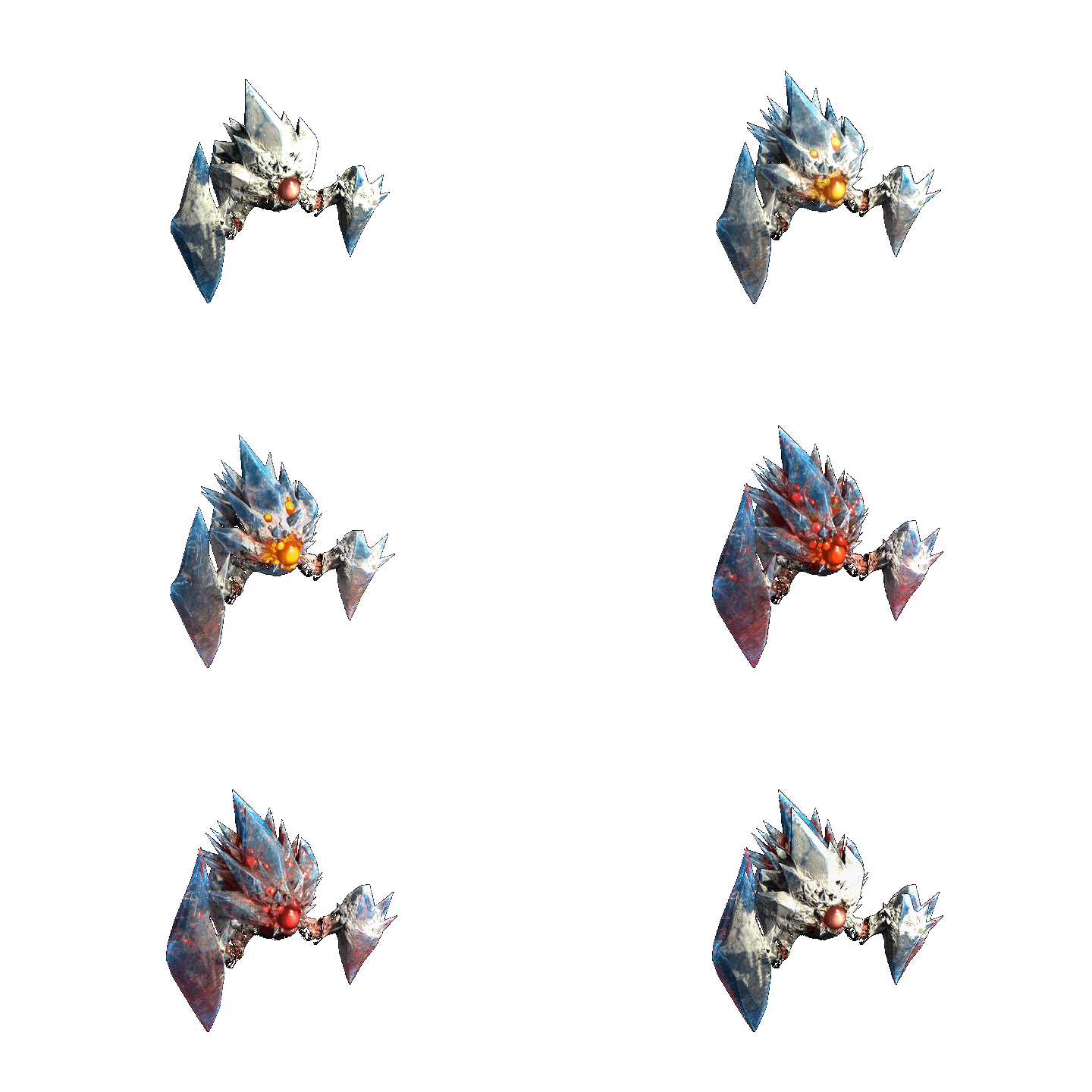
Spikodons will require you to solve a unique defensive challenge. They are quite heavily armored, but still nimble enough to make their way right up to your walls before your towers can take care of them. When they do, they will use their long-range piercing spike attack to attack both the walls and the structures behind them. That includes your precious energy connectors. Spikodon attacks tend to render your defenses inoperable - make sure to plan ahead. Oh, and these creatures often come out from underground caverns to ambush you during exploration. Have fun!
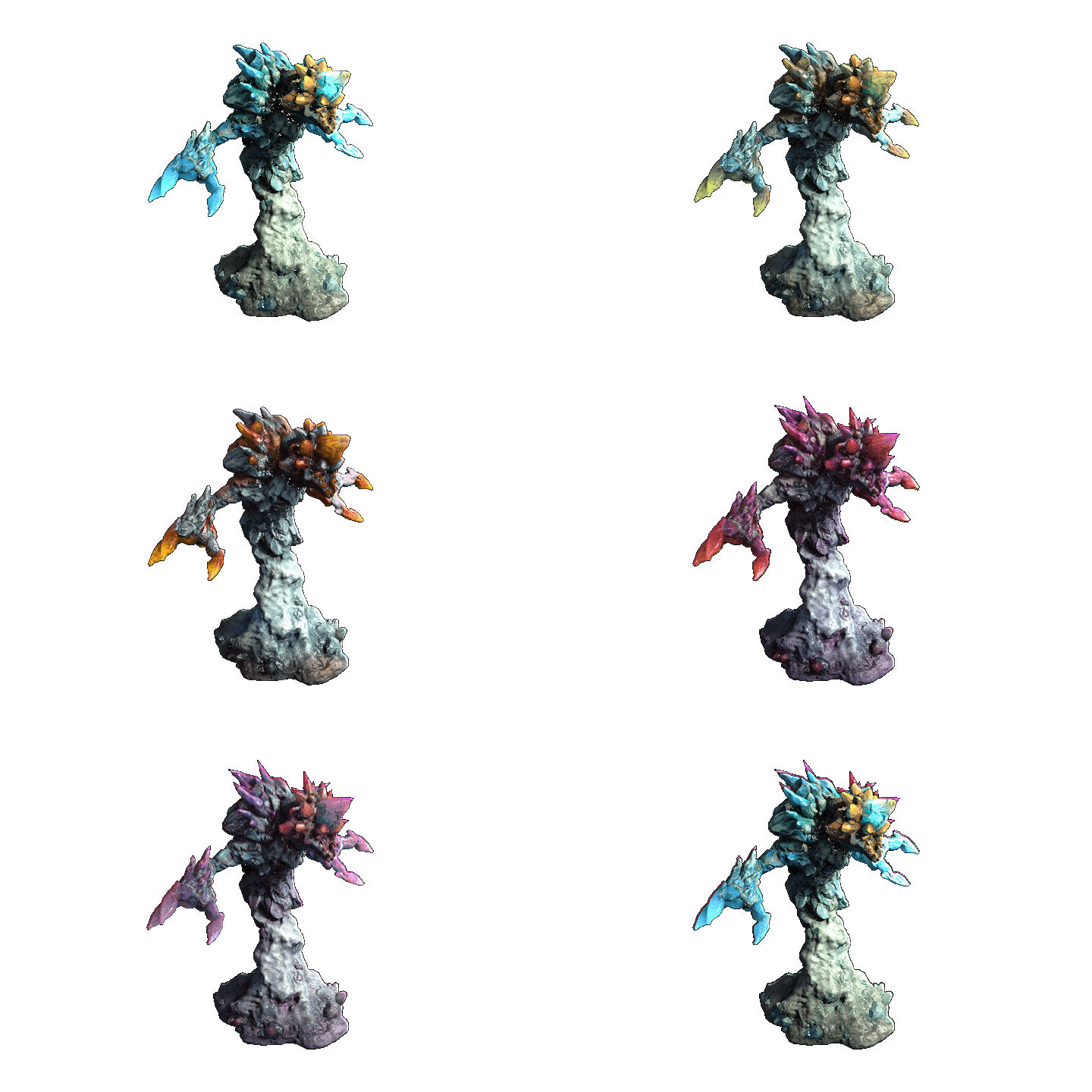
Temperoth looks like an ice sculpture come to life. However, despite its appearance, it is not made of ice. Its body is covered with quartz crystals of various colours, which the creature can liquefy via an unknown mechanism. This allows the Temperoth to change shape and travel short distances quickly, as if it were swimming through thin air. Coming too close will cause them to escape.
World Expansion IV is just around the corner. We are putting the finishing touches on it and polishing the gameplay experience based on feedback from the Experimental Branch playtesters. If you would like to join the playtest, join the experimental branch by following the instructions in this article. Also, remember to sign upforo our newsletter and Discord server at https://www.discord.gg/exorstudios to receive the news about the release date as soon as we make it public - it’s not long from now!
EXOR Studios